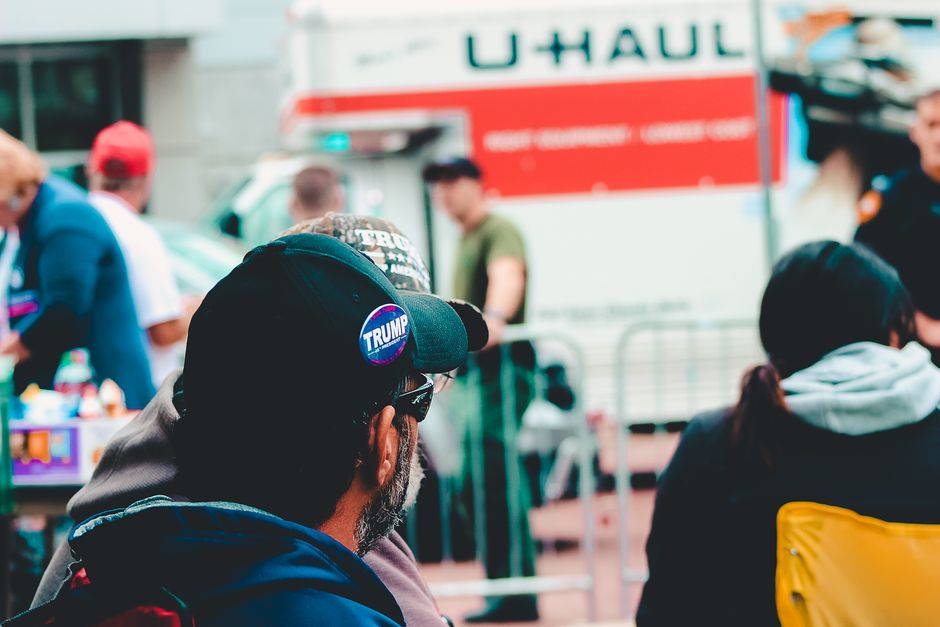
Break-ins at twice the city average have pushed Toronto's wealthiest neighbourhood to consider AI-powered surveillance that promises to identify "suspicious" vehicles before crimes occur. Residents of tree-lined Rosedale are proposing a private security system that would scan licence plates and create digital "blacklists" of unwanted cars — technology that has triggered discrimination lawsuits across American cities.
Craig Campbell, who runs a security company and holds Canadian licensing rights for the Flock surveillance system, pitched the plan to neighbours after friends experienced a horrific home invasion where children were held at knifepoint.
"Other friends aren't sleeping well at night because they're anxious about the crime that's going to occur," Campbell told The Guardian. "Almost everyone knows someone who has been affected. Something has to be done."
Under the proposal, cameras would scan licence plates of cars entering the neighbourhood, using artificial intelligence to distinguish between residents' "whitelisted" vehicles and those flagged as suspicious. The system would work alongside unarmed security guards already patrolling the area, with data retained for 30 days and accessible to police only with legal authorization.
Campbell emphasized that the cameras avoid facial recognition, focusing solely on licence plate data. But the technology arrives with significant baggage from its American deployments.
"AI is one of the most unethical tools of our time," wrote one Rosedale resident in the neighbourhood's WhatsApp group, citing bias and wrongful arrests.
Flock's network of over 90,000 cameras operates across American communities, where the company claims crime reductions "up to 70%" — a figure researchers struggle to verify independently. The technology has faced mounting scrutiny after police shared school data with ICE agents and officers used the system to track women seeking abortions.
Investigation records show more than a dozen errors in licence plate reading or verification failures, resulting in innocent people being stopped at gunpoint, jailed, or attacked by police dogs. The American Civil Liberties Union has repeatedly clashed with Flock over mass surveillance concerns.
Privacy laws in Canada present stricter requirements than those south of the border. The proposed Rosedale network would likely face legal challenges, as regulators may classify the camera network as a data collection system rather than simple home security, triggering Canada's Personal Information Protection and Electronic Documents Act.
"We're very comfortable that we will be in compliance with all privacy regulations," Campbell responded. "Nothing about the cameras and the technology is any different than any private citizen standing on a corner taking a picture with their iPhone, except in this case it's only the licence plate being recorded."
Toronto police acknowledged that residents feeling unsafe "may look for ways to increase their sense of security" but declined to comment on the Flock system's legality. A force spokesperson noted that "any technology that captures images, video or licence plates raises important considerations around privacy, data storage" and recommended residents "seek guidance on applicable privacy laws and municipal regulations."
The neighbourhood's WhatsApp group reflects broader tensions over surveillance versus security. Roughly 60 of 350 members already contribute to private security funding, while others question the ethical implications of algorithmic policing.
François Hébette, who moved to Rosedale from California eighteen months ago, understands both perspectives. Having experienced a break-in in Belgium during his youth, he recognizes the lasting anxiety that follows home invasion.
"A private initiative like this might be quite effective and fix this issue," he said, though his quote was incomplete in the source material.