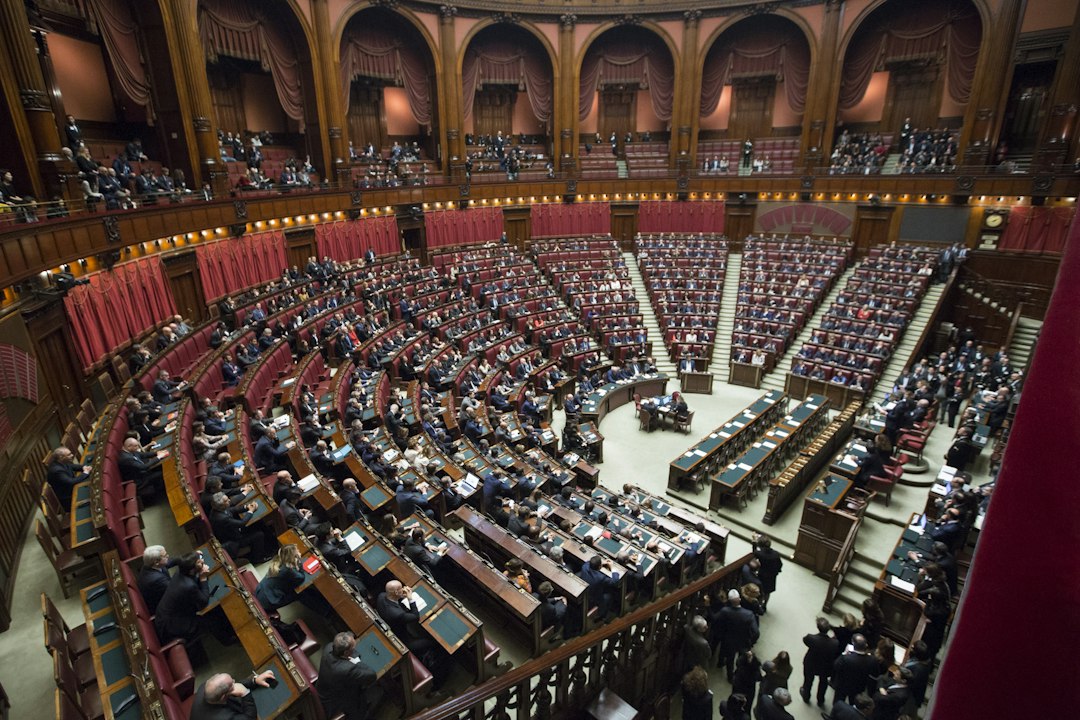
As artificial intelligence capabilities accelerate, the world's major powers are pursuing increasingly divergent regulatory philosophies. The European Union's AI Act emphasizes risk classification and citizen protection. The United States favors industry self-regulation with targeted interventions. China has implemented strict content-generation rules while encouraging industrial AI development.
The divergence is not merely philosophical — it has concrete implications for companies operating across borders, for research collaboration, and for the global balance of AI capability. A model trained and deployed legally in one jurisdiction may violate regulations in another, creating compliance challenges that could fragment the global AI ecosystem.
The European Approach: Risk-Based Regulation
The EU's AI Act, which entered full enforcement in phases beginning in 2025, classifies AI systems into four risk categories: unacceptable, high, limited, and minimal. Systems deemed unacceptable — including social scoring and certain biometric surveillance applications — are banned outright. High-risk systems, which include those used in hiring, law enforcement, and critical infrastructure, face stringent requirements for transparency, human oversight, and documentation.
The Act also introduces specific obligations for general-purpose AI models, including foundation models like the large language models underpinning this publication. Providers of such models must publish summaries of training data, implement copyright compliance measures, and conduct adversarial testing.
The American Path: Sectoral and Voluntary
The United States has taken a more fragmented approach, relying on existing regulatory agencies — the FTC, SEC, FDA, and others — to apply existing laws to AI within their respective domains. Executive orders have established guidelines, but comprehensive legislation comparable to the EU AI Act has not yet passed through Congress.
Industry voluntary commitments, including those announced at the White House AI Safety Summit, have filled some gaps but lack enforcement mechanisms. Critics argue this approach leaves significant regulatory blind spots, particularly around consumer-facing AI applications.
China: Control and Acceleration
China's approach combines strict content controls with aggressive promotion of industrial AI development. Regulations governing generative AI, effective since August 2023, require providers to ensure their models produce content aligned with "core socialist values" and to obtain regulatory approval before public release. At the same time, the Chinese government has designated AI as a strategic priority, channeling investment into domestic AI champions and research infrastructure.
The Emerging Middle Ground
Between these three poles, a growing number of nations are attempting to chart their own paths. The United Kingdom has rejected a single comprehensive AI law in favor of empowering existing regulators with new AI-specific guidance — a principles-based approach that aims to be more adaptive than prescriptive regulation. Canada, Japan, and South Korea have each published AI governance frameworks that borrow elements from multiple models.
India, home to a rapidly expanding AI industry, has oscillated between regulatory intervention and laissez-faire approaches. After initially proposing requirements for government approval of AI models, Indian officials signaled a preference for voluntary industry codes — recognizing that restrictive regulation could disadvantage domestic startups competing against well-funded Western and Chinese rivals.
The result is a global patchwork that shows few signs of converging. For multinational technology companies, this creates a compliance environment of extraordinary complexity. For smaller AI developers, it creates barriers to international expansion that may ultimately concentrate the benefits of AI technology among a handful of companies large enough to navigate the regulatory landscape.